
How One Personalised Storybook Turned Reluctant Readers Into Happy Storytellers
How One Personalised Storybook Turned Reluctant Readers Into Happy Storytellers
by Dewi Griffith Ph.D
Ms. Hannah’s classroom was a place full of chatter, giggles and little backpacks squeaking along the floor, except at reading time.
On Tuesday morning, Ms. Hannah took out the class storybook and sighed.
As she sat down with the children, she noticed the same thing she had over the last few weeks:
Adam sighed loudly every time a story felt “too long”
Ava stared out the window, unable to connect with the characters
Ryan flicked through pages too fast and wanted the story to “get to the good part”
Lily, an avid drawer, whispered, “I wish I could make my own book…”
The children didn’t dislike reading.
They just didn’t feel a connection to the stories.
That afternoon, Ms. Hannah remembered a line she’d read by literacy expert Mem Fox (2001):
“When children see themselves in a story, their interest doubles. When they help create the story, it multiplies.”
And so, she decided to try something new — a Personalised Storybook Template that the children could build themselves.
The topics that we cover include the following:
The Problem: When Reading Stories Isn’t Personal
The Game Changer: Introducing Animal Classification Cards
Why Personalised Storybooks Work
The Problem: When Reading Stories Isn’t Personal
Preschoolers and beginning readers didn’t struggle because they couldn’t read, but because the stories were too distant, too foreign or too rigid.
4–7-year-olds are in the “transactional stage” of reading according to Dr. Louise Rosenblatt (1995)
— they learn best when they can engage with a text, impact it, or see themselves in the characters.
Ms. Hannah observed that typical storybooks had a set plot and set characters, but these weren’t always what the children imagined.
Storytime had become passive.
She wanted it to become active again.
The Turning Point: Creating the Personalised Storybook
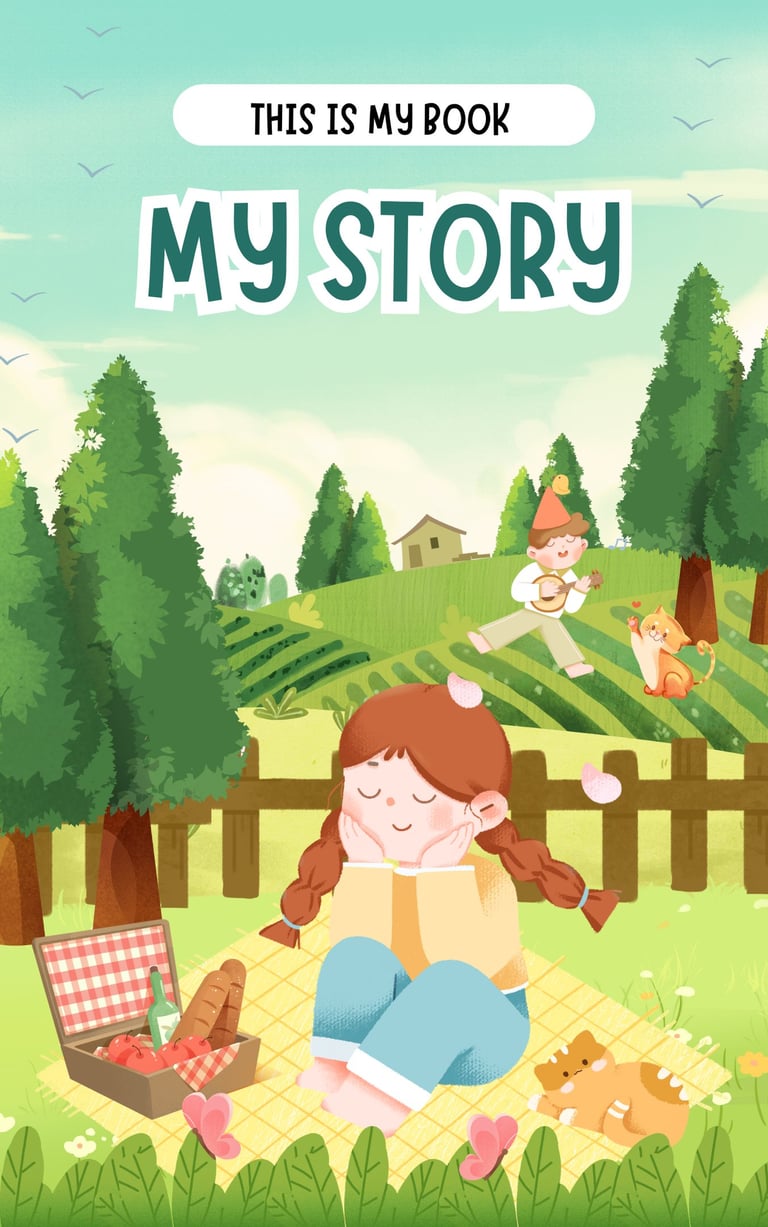
The following morning, Ms. Hannah walked into the classroom holding a stack of colourful papers. On top, she wrote:
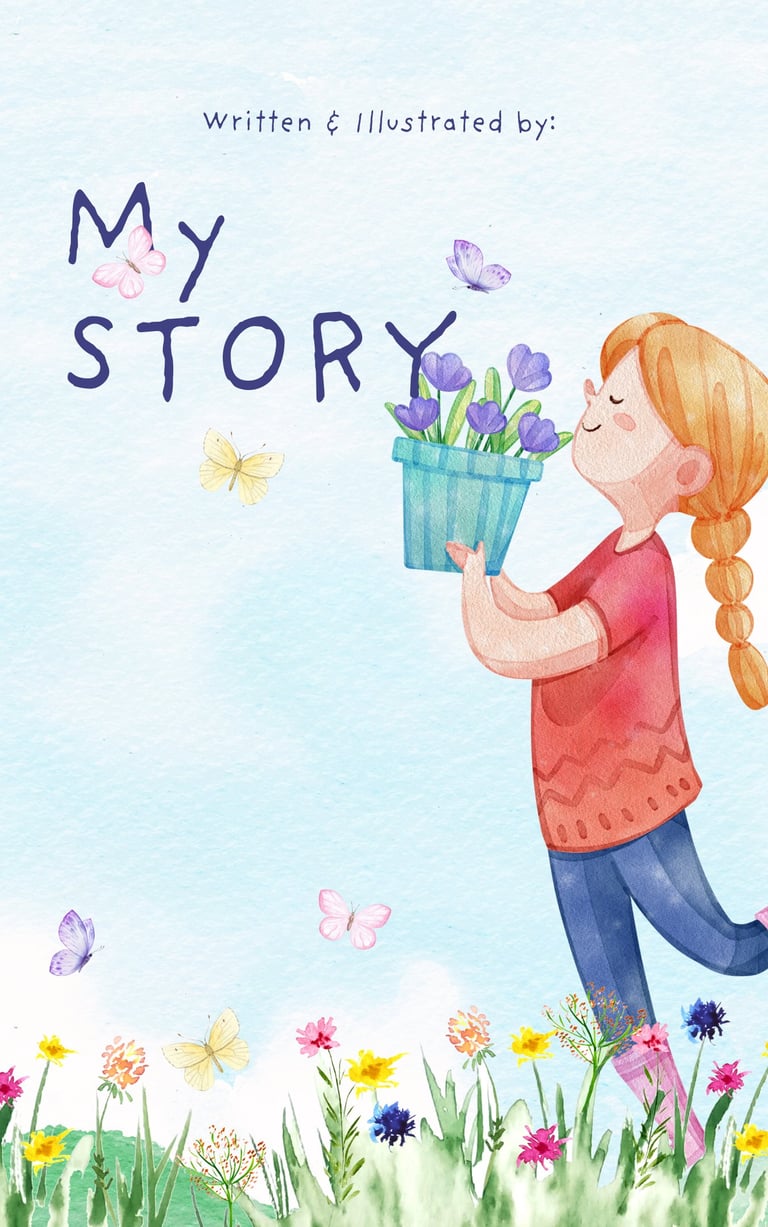
“My Story — Written By: ________”
The children gasped.
The template had:
Name Fill-ins
Story Choice
Pick-a-Character Boxes
Create-the-Ending Page
Blank Illustration Pages
Magic happened the moment the children put pen to paper.
Adam decided he wanted to travel to space.
Ava made herself the main character—complete with a glittery crown.
Ryan selected the “silly ending” option where everyone fell on jelly.
Lily drew rainbows and dancing cats on every page.
The classroom was a whirlwind of creativity, laughter, and engagement.
Reading had become the child’s own story.
Why Personalised Storybooks Work
Education psychologist Lev Vygotsky (1978) once said:
“Learning is most powerful when children construct meaning actively.”
A personalised storybook does exactly that.
And studies by Guthrie & Wigfield (2000) show motivation skyrockets when children have autonomy and choice—exactly what this template provides.
Your DIY Guide to Creating a Personalised Storybook
Personalised storybooks make children feel connected, engaged, and special as a storyteller.
This post will guide you through six simple steps to create your own template that children can easily fill in with their names, ideas, and drawings.
Step 1: Pick a Story Framework
Pick a simple 5-part framework that little ones can easily remember:
Character – Who is in the story?
Setting – Where does the story take place?
Problem – What is the problem?
Solution – How is the problem solved?
Ending – How does the story end?
This structure provides a simple framework for the story while leaving room for endless creativity.
Step 1: Pick a Story Framework
Pick a simple 5-part framework that little ones can easily remember:
Character – Who is in the story?
Setting – Where does the story take place?
Problem – What is the problem?
Solution – How is the problem solved?
Ending – How does the story end?
This structure provides a simple framework for the story while leaving room for endless creativity.
Kids also love to select their characters and settings by pictures as well.
Add a series of simple checkboxes like:
Pick a Character:
☐ Robot ☐ Dragon ☐ Cat ☐ Fairy
Pick an Ending:
☐ Happy ☐ Funny ☐ Surprise
This also accommodates non-writers and makes the story feel more personal and interactive.
Step 4: Create Space for Drawing
Add at least 1–2 full blank pages where children can illustrate.
For example:
“Draw your character.”
“Draw the ending.”
“Illustrate your favourite part.”
Drawing provides engagement and allows children to visualise their own storytelling.
Step 5: Make a Simple Cover Page
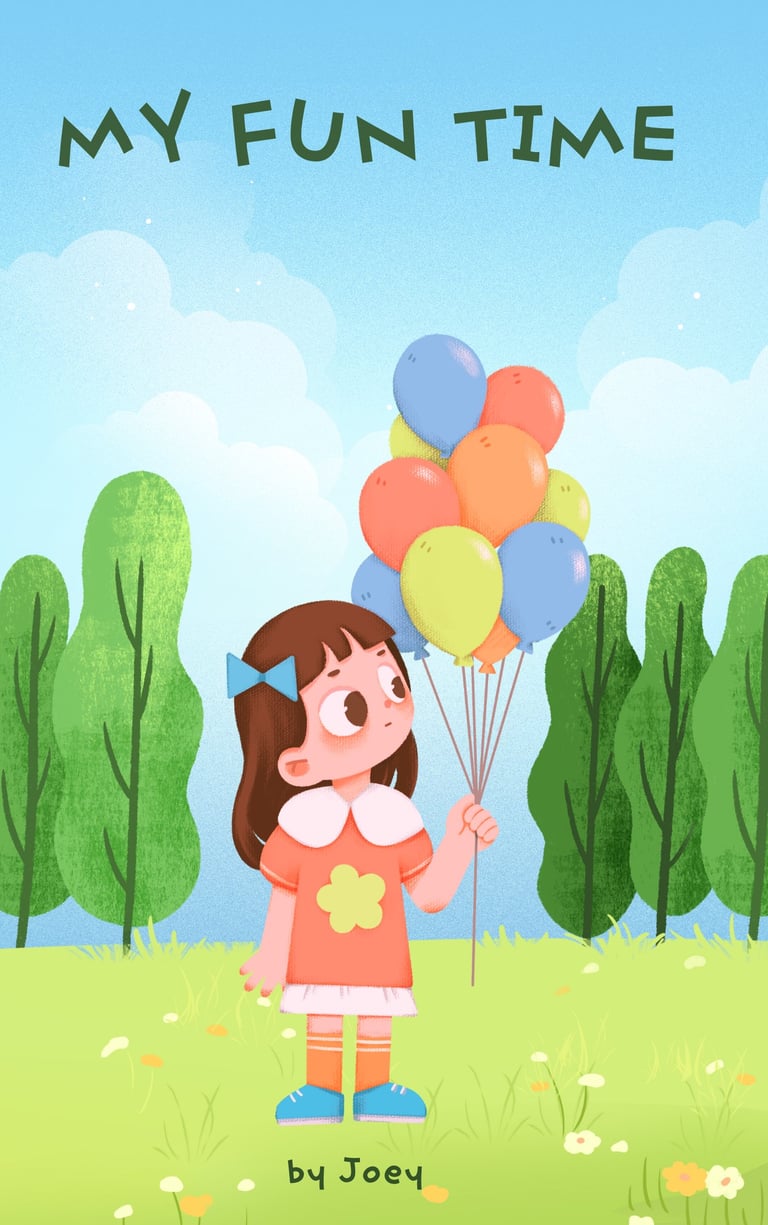
Create a simple cover page for their storybooks!
Include:
My Story
Written & Illustrated by: ________
Children love writing their names on their own books—it creates ownership and pride in their work.
Step 6: Combine as Printable Pages
When your pages are ready:
Arrange them in order
Add page numbers to each page for easier clarity
Save as PDF so they print correctly
Optional: Decorate in soft classroom colours (pastels) and fun borders
And that’s it! Now you have a printable storybook template that you can reuse.
Step 7: Have Children Write Their Own Stories
Give each child a copy of the template storybook.
Encourage them to:
Pick their own character and ideas
Fill in the blanks with silly or creative answers
Draw their own illustrations
Read their book aloud to the class
Storytelling time becomes a party full of celebrations!
Bonus Tip: There is no “right way” to do a personalised storybook.
The key is to provide a simple structure where they can add their names, ideas, and illustrations to spark joy as a young storyteller.

Why Personalised Storybook is
A Powerful Learning Strategy
The reading sessions had become enjoyable by the week's conclusion.
The children piled their books and inquired:
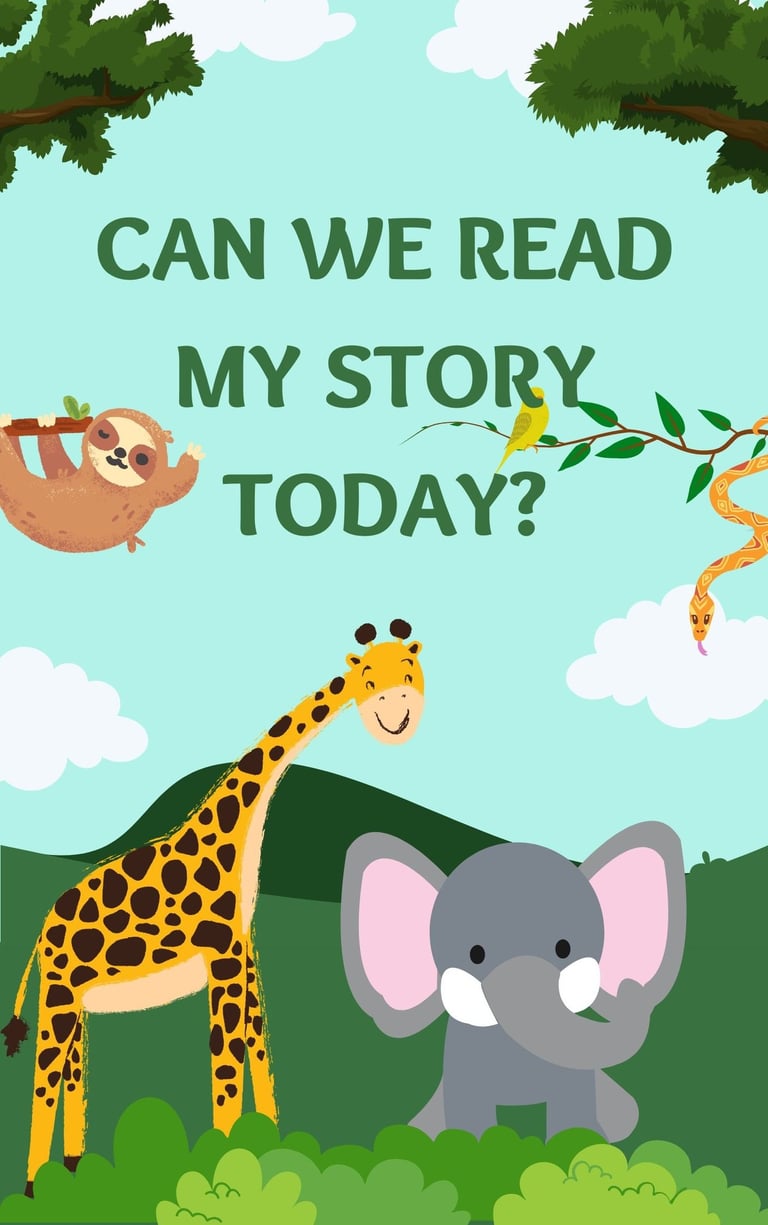
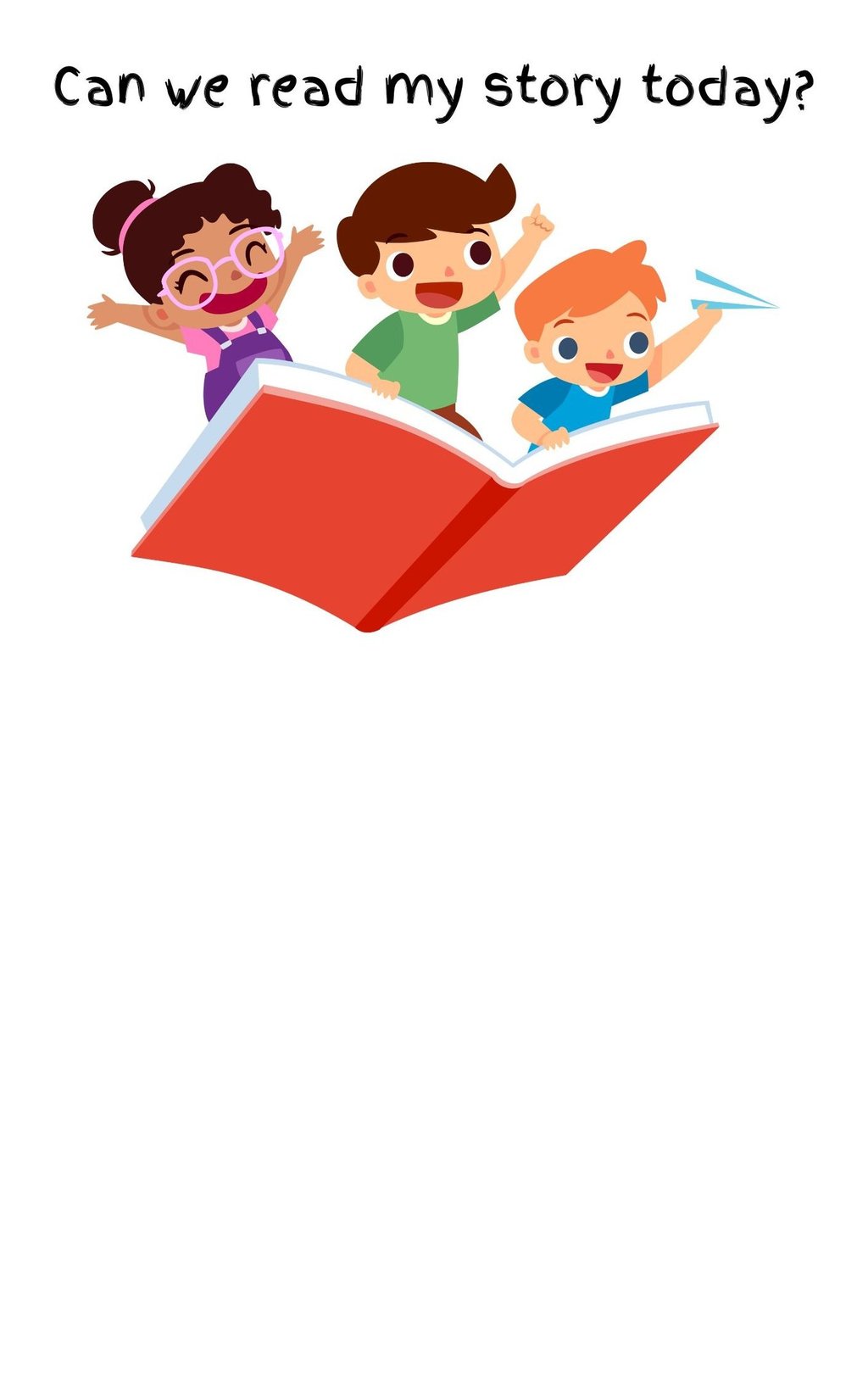
"May we read my story today?"
It wasn't just stories they read anymore—
it was storytelling.
References
Fox, M. (2001). Reading Magic.
Rosenblatt, L. (1995). Literature as Exploration.
Vygotsky, L. (1978). Mind in Society.
Guthrie, J., & Wigfield, A. (2000). “Engagement and Motivation in Reading.
Other articles you might like
Learning Through Play
Home Reading Tips
DIY Learning Materials